Textiles of Islamic Sumatra
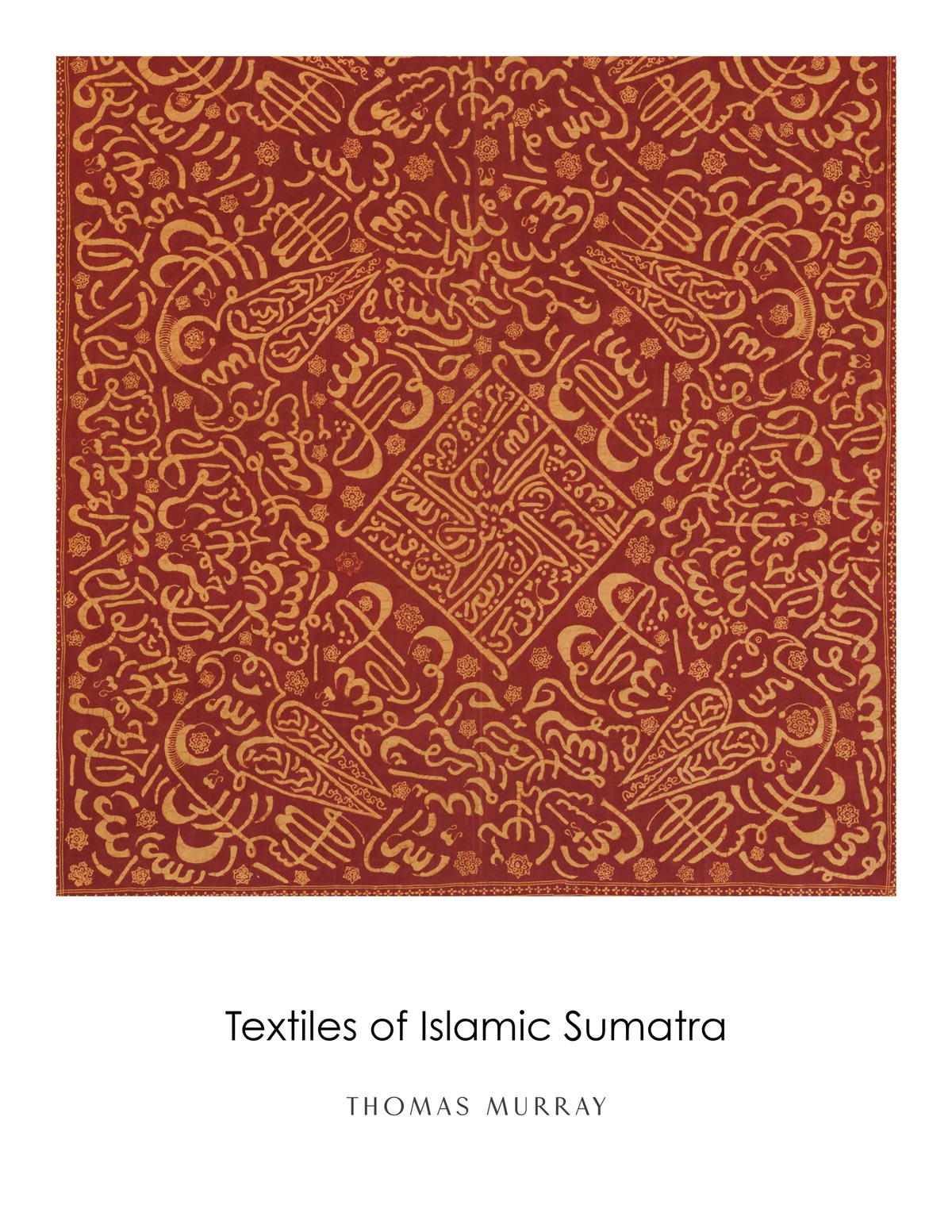
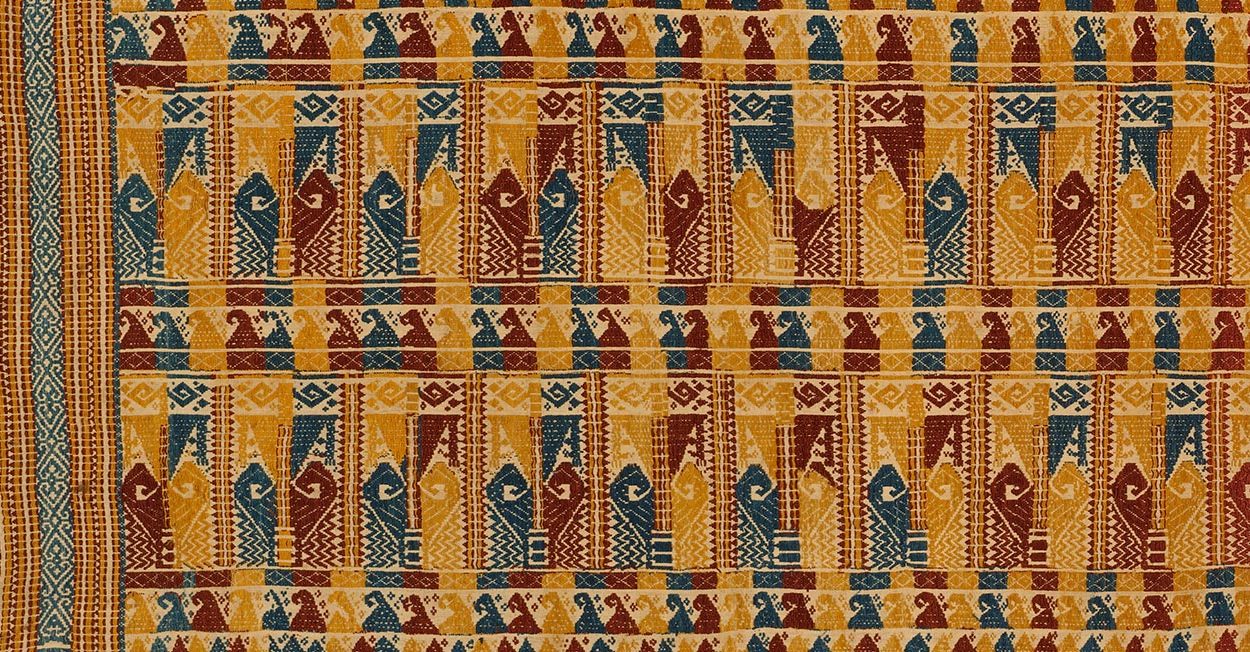
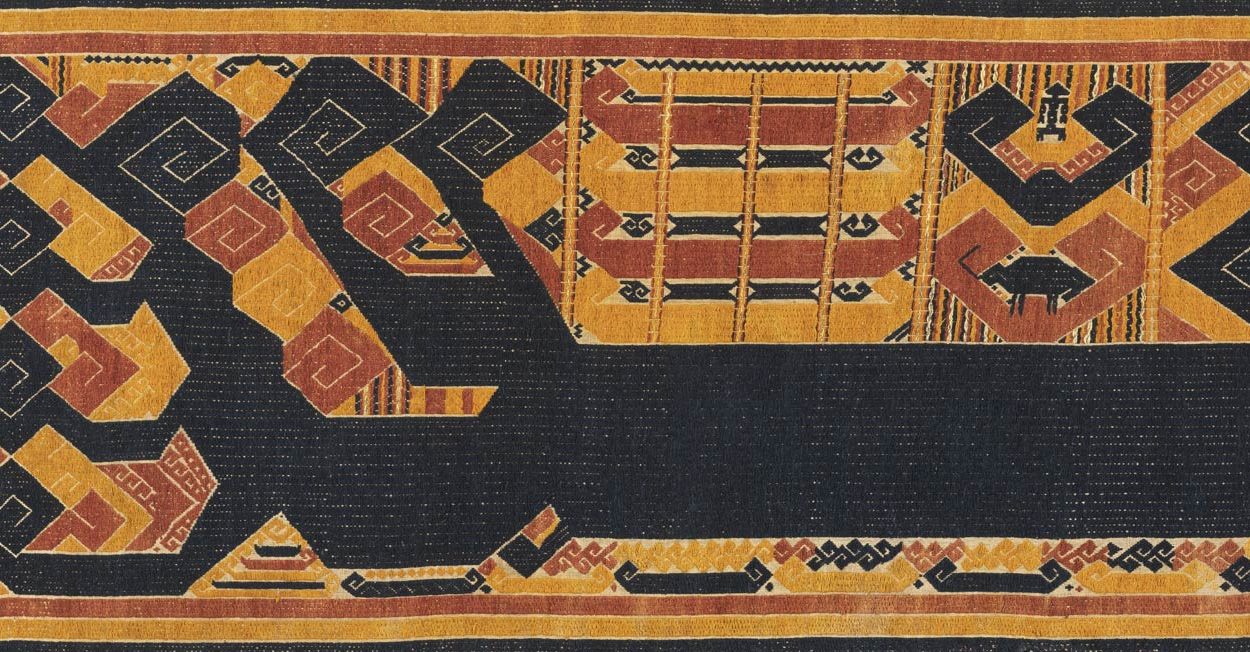
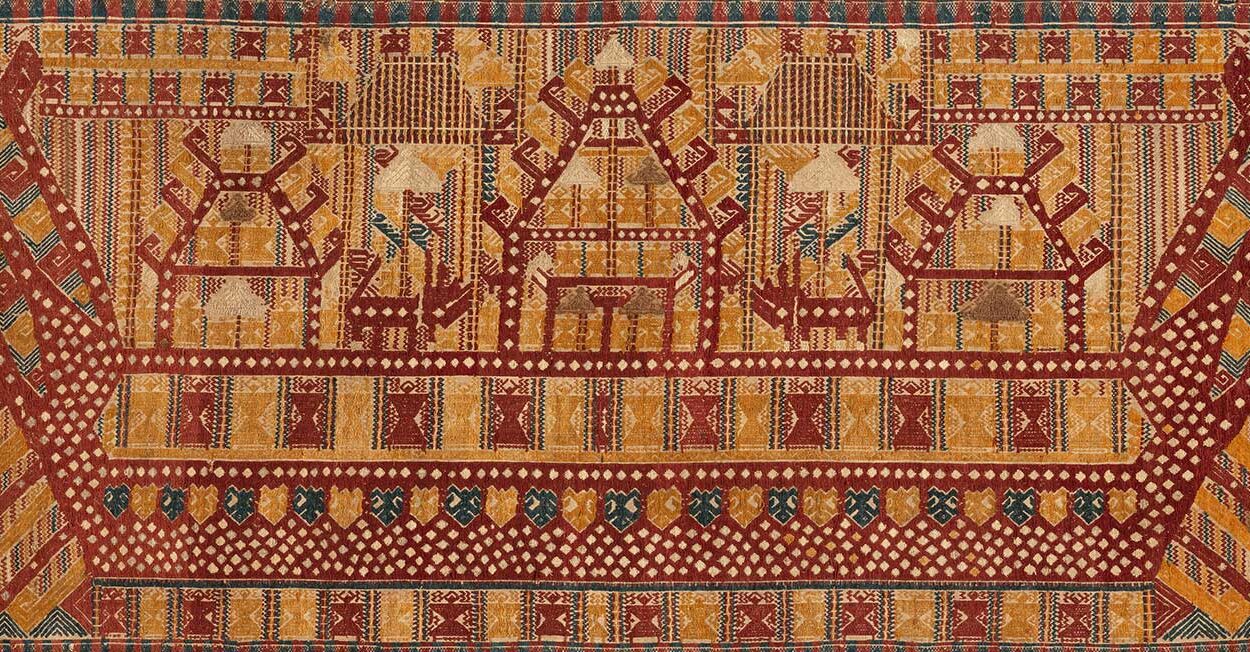
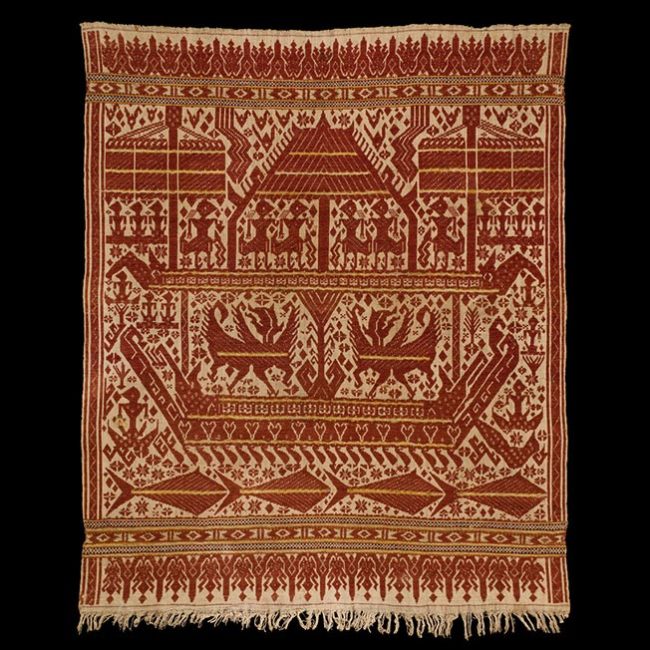
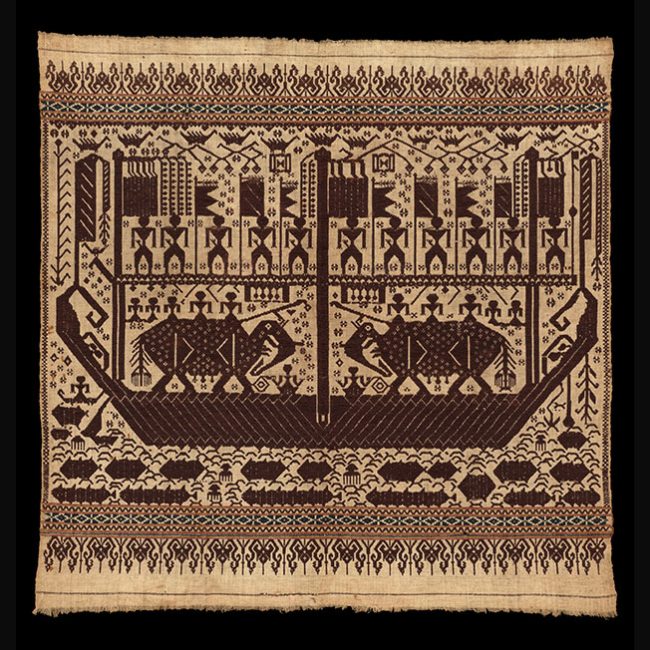
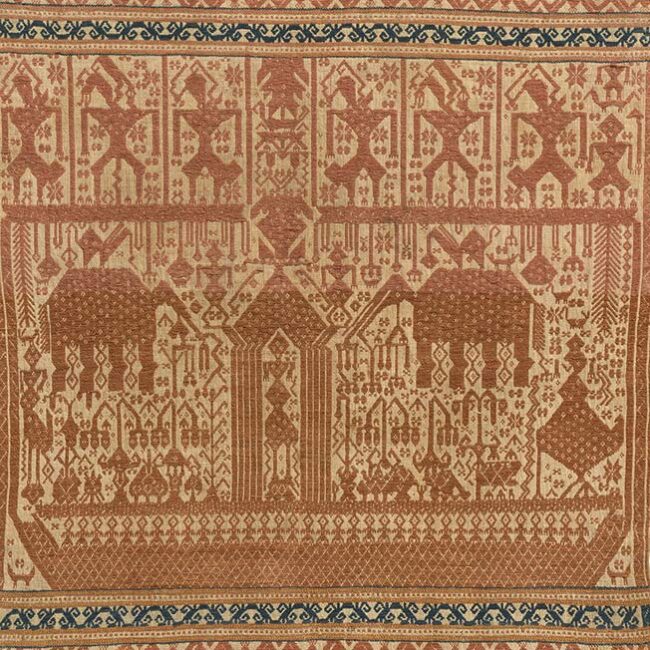
Islamic Sumatran textiles are a rich blend of indigenous animist traditions, Hindu-Buddhist influences, and Islamic artistic principles, characterized by opulent gold thread (songket) and intricate motifs. They are profoundly cultural, representing status and custom (adat), particularly in Minangkabau and Lampung, where textiles often serve ceremonial roles.
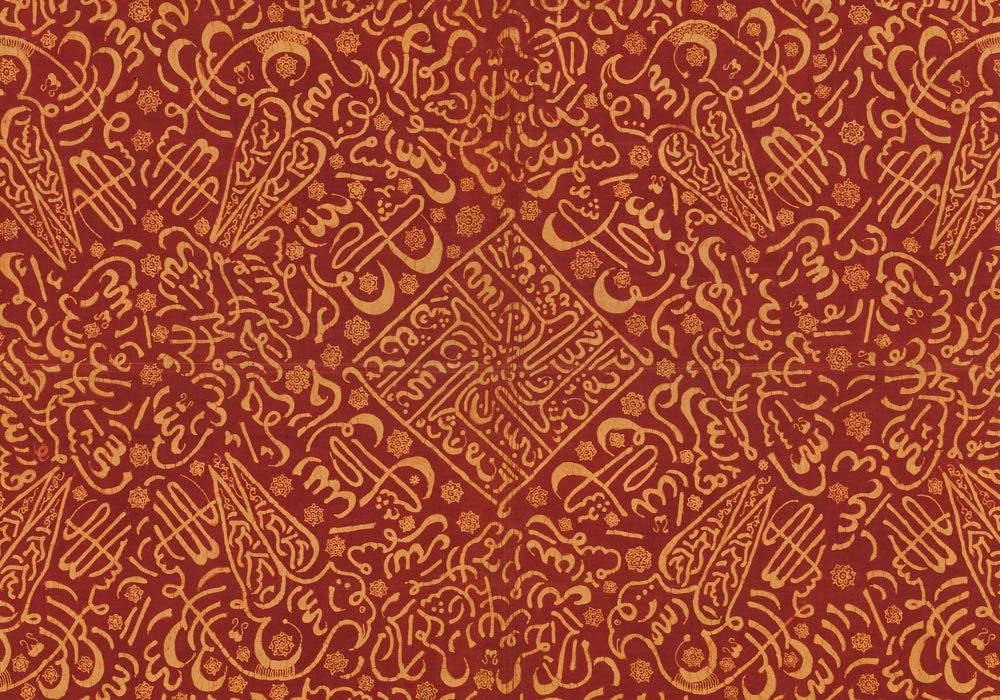
The spread of Islam simplified some, leading to a shift away from human depictions toward geometric, floral, and vegetal patterns. Common designs include the bamboo sprout (pucuk rebung) and Jasmine (bunga melor).
Islamic Sumatran textiles are a rich blend of indigenous animist traditions, Hindu-Buddhist influences, and Islamic artistic principles, characterized by opulent gold thread (songket) and intricate motifs. They are profoundly cultural, representing status and custom (adat), particularly in Minangkabau and Lampung, where textiles often serve ceremonial roles.
The spread of Islam simplified some, leading to a shift away from human depictions toward geometric, floral, and vegetal patterns. Common designs include the bamboo sprout (pucuk rebung) and Jasmine (bunga melor).